
A reader recently wrote in after buying six different gut health supplements. Two probiotics, a prebiotic fiber, something labeled "synbiotic," a postbiotic capsule, and a powder she'd found on TikTok that claimed to contain all three. She'd spent over $200 and had no idea which ones, if any, she actually needed.
She's not unusual. The supplement aisle has turned the gut microbiome into a marketing free-for-all, and the terminology has become genuinely confusing. So let's cut through it.
What Probiotics Actually Are
Probiotics are live microorganisms that, when consumed in adequate amounts, provide a health benefit. That's the WHO definition, and each word matters. They must be alive. They must be present in sufficient quantity. And the benefit must be demonstrated, not assumed.
Here's the mechanism: probiotic organisms pass through your stomach acid (assuming they're formulated to survive it), reach your intestines, and exert their effects through several pathways. They compete with harmful bacteria for attachment sites on the intestinal wall. They produce antimicrobial compounds. They modulate immune cell activity in the gut-associated lymphoid tissue. Some produce short-chain fatty acids, neurotransmitters, or vitamins.
What the research actually shows is more nuanced than the marketing. Probiotics generally do not permanently colonize your gut. A 2018 study in Cell by Zmora et al. found that probiotic colonization was highly individualized, with some people's guts essentially rejecting standard probiotic strains entirely. The bacteria pass through and exert transient effects while present.
This doesn't mean they're useless. It means the effects require ongoing consumption and the right strain for the right condition.
Strains That Have Decent Evidence
Not all probiotics are equivalent. Strain specificity matters enormously. Some well-studied strains include:
- Lactobacillus rhamnosus GG: Strong evidence for antibiotic-associated diarrhea prevention and acute gastroenteritis in children. One of the most researched strains in existence.
- Saccharomyces boulardii: A beneficial yeast (not a bacterium) with good evidence for C. difficile infection prevention and traveler's diarrhea.
- VSL#3 (multi-strain): Evidence for ulcerative colitis maintenance, though results have been debated since the formulation changed after a legal dispute.
- Bifidobacterium infantis 35624: Demonstrated benefits for IBS symptoms in multiple trials, including a 2006 study in Gastroenterology.
The biggest mistake I see: people buying generic "50 billion CFU" probiotics without checking whether the specific strains have evidence for their specific concern. Colony count is not a quality metric.
What Prebiotics Actually Are
Prebiotics are substrates that are selectively utilized by host microorganisms to confer a health benefit. In plain language: they're food for your beneficial gut bacteria.
Most prebiotics are types of dietary fiber, but not all fiber is prebiotic. To qualify, a compound must resist digestion in the upper GI tract, reach the colon intact, and be selectively fermented by beneficial bacteria rather than by any organism that happens to be present.
The mechanism is elegant. When beneficial bacteria ferment prebiotic fibers, they produce short-chain fatty acids (SCFAs), primarily butyrate, propionate, and acetate. Butyrate is the primary energy source for colonocytes, the cells lining your colon. It strengthens the intestinal barrier, reduces inflammation, and regulates cell growth. Propionate travels to the liver and influences cholesterol metabolism. Acetate enters systemic circulation and affects appetite regulation and fat storage.
A 2021 review in The Lancet Gastroenterology & Hepatology concluded that dietary prebiotic intake was more consistently associated with positive microbiome outcomes than probiotic supplementation across multiple study designs.
Common Prebiotics Worth Knowing
- Inulin and fructooligosaccharides (FOS): Found in garlic, onions, leeks, asparagus, and bananas. The most studied prebiotics. Effective but can cause significant gas and bloating when introduced too quickly.
- Galactooligosaccharides (GOS): Found in legumes and some dairy. Well-tolerated and shown to increase Bifidobacterium populations in a 2017 British Journal of Nutrition trial.
- Resistant starch: Found in cooled potatoes, green bananas, and oats. Particularly effective at increasing butyrate production.
- Partially hydrolyzed guar gum (PHGG): Gaining evidence for IBS management. Better tolerated than inulin for many patients.
Food sources generally outperform supplements here. A varied diet with diverse plant foods provides a spectrum of prebiotic compounds that no single supplement can replicate. That said, supplemental prebiotics can be useful for people whose diets are limited by allergies, preferences, or medical conditions.
A solid prebiotic supplement option for people who want to start with something well-tolerated is Benefiber Original, which uses wheat dextrin and dissolves without the gritty texture some fiber supplements have.
What Postbiotics Are (And Why They're Getting Attention)
Postbiotics are the newest category, and honestly, the most interesting from a mechanistic standpoint. The International Scientific Association for Probiotics and Prebiotics (ISAPP) defined them in 2021 as "a preparation of inanimate microorganisms and/or their components that confers a health benefit on the host."
Let's slow down on this one. Postbiotics are not alive. They're the metabolic byproducts of bacterial fermentation, or inactivated (dead) bacteria, or bacterial cell wall components. Think of them as the beneficial output of probiotics, delivered directly without requiring the live organisms.
The most well-known postbiotic compounds include:
- Short-chain fatty acids (SCFAs): Especially butyrate. These are what your bacteria produce from prebiotics, but they can also be delivered directly.
- Muramyl dipeptide: A bacterial cell wall fragment that modulates immune function.
- Heat-killed Lactobacillus preparations: Several studies show these retain immunomodulatory benefits without the viability concerns of live probiotics.
Here's where it gets interesting. Because postbiotics don't need to be alive, they're inherently more stable than probiotics. No refrigeration concerns. No question about whether organisms survived stomach acid. No worry about shelf-life viability. A 2020 review in Nutrients noted that postbiotic preparations showed comparable efficacy to their live counterparts for several immune and inflammatory outcomes.
The evidence base is still younger than for probiotics and prebiotics. But for specific applications, particularly in people who are immunocompromised or in situations where live organisms carry risk, postbiotics offer a compelling alternative.
For those interested in trying a postbiotic supplement, Codeage Gut Health Formula contains a blend of postbiotic compounds and fermented ingredients.
Quick Reference: How They Compare
Here's a practical breakdown of all three categories:
Probiotics
- What they are: Live beneficial microorganisms
- How they work: Transient colonization, competitive exclusion, immune modulation
- Best evidence for: Antibiotic-associated diarrhea, specific IBS subtypes, C. difficile prevention
- Key limitation: Strain-specific effects, viability concerns, individualized colonization
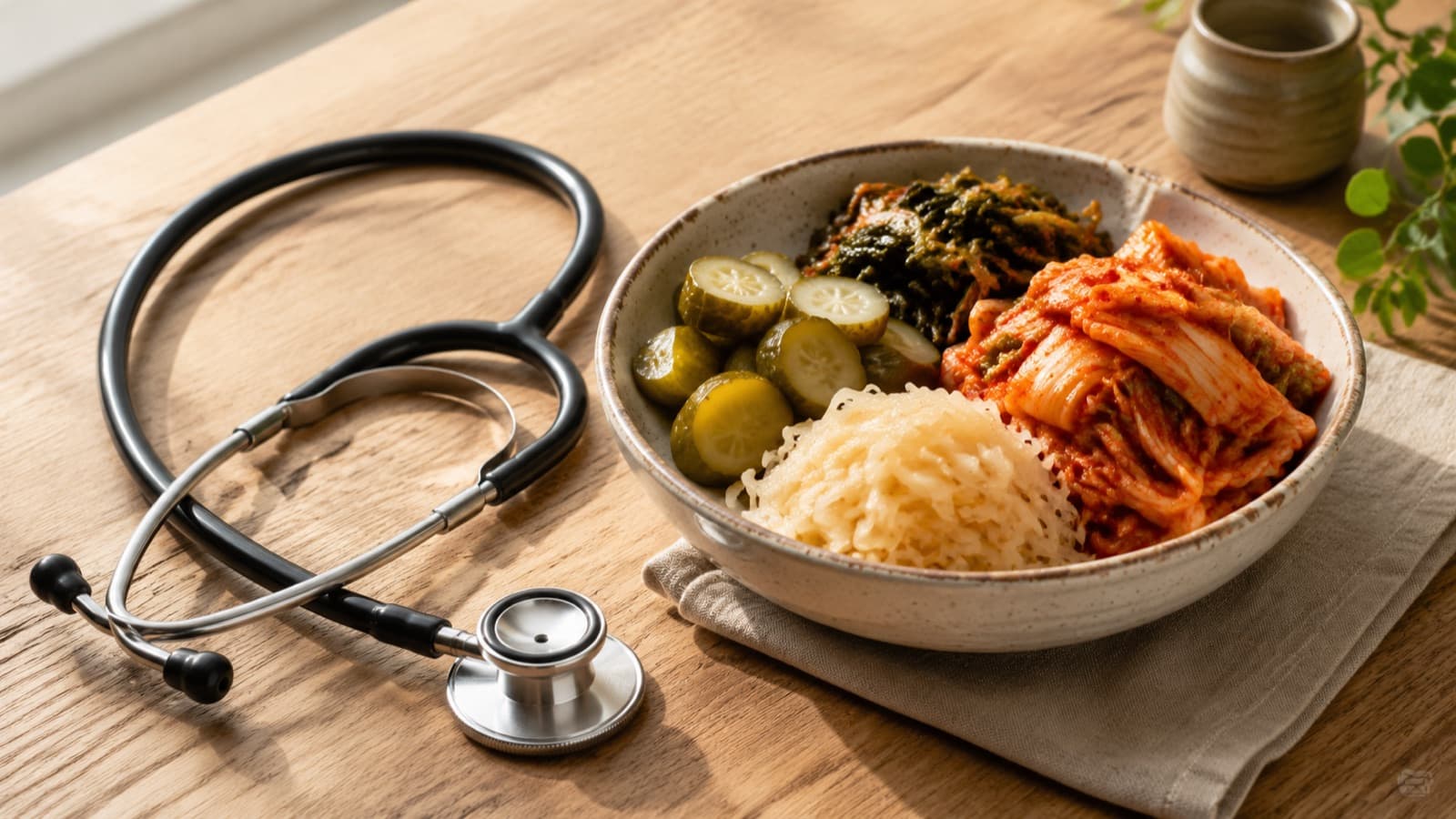
- Food sources: Yogurt, kefir, sauerkraut, kimchi, miso, kombucha
Prebiotics
- What they are: Selective food for beneficial bacteria
- How they work: Fermented by beneficial bacteria to produce SCFAs
- Best evidence for: Increasing microbial diversity, improving bowel regularity, strengthening gut barrier
- Key limitation: Can cause gas and bloating initially, effects depend on existing microbial composition
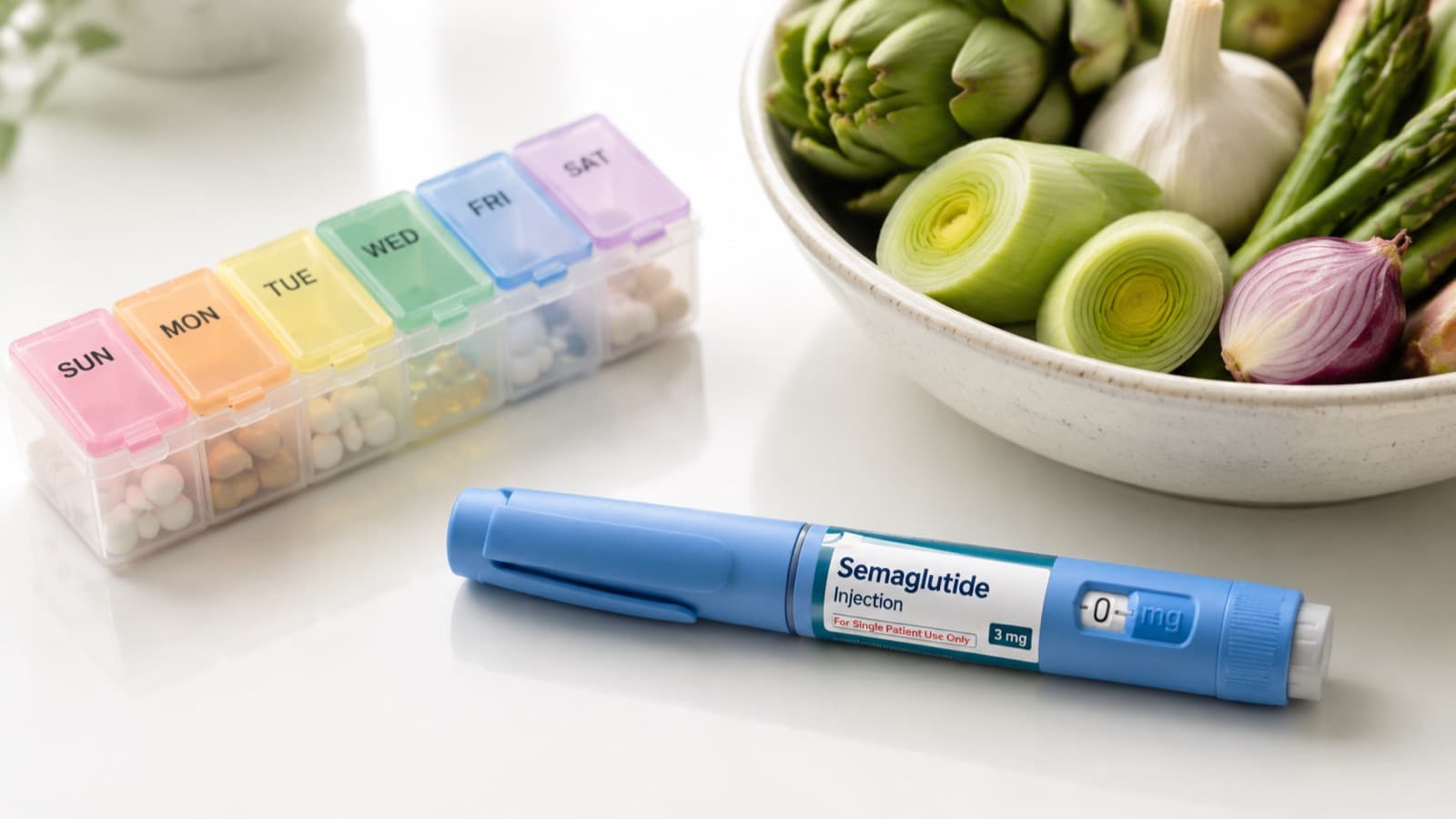
- Food sources: Garlic, onions, leeks, asparagus, bananas, oats, legumes
Postbiotics
- What they are: Metabolic byproducts or inactivated forms of beneficial bacteria
- How they work: Direct delivery of beneficial compounds without requiring live organisms
- Best evidence for: Immune modulation, anti-inflammatory effects, gut barrier support
- Key limitation: Newer category with a smaller evidence base, definitions still being standardized
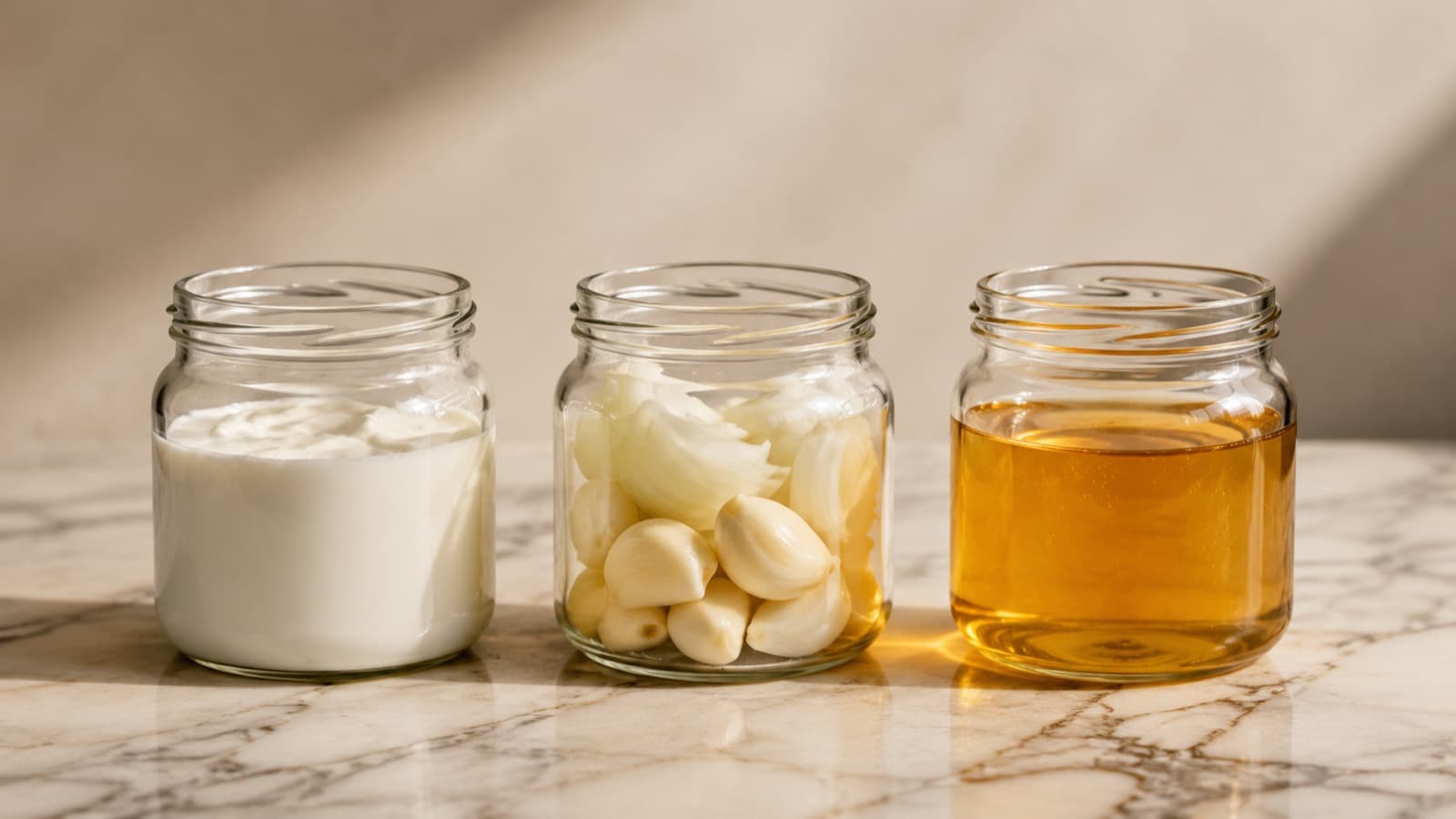
- Food sources: Fermented foods technically contain postbiotic compounds alongside live cultures
So Which One Should You Actually Take?
This is the question I get daily, and the honest answer depends on context.
Start with prebiotics if: You're generally healthy and want to support your existing microbiome. Whole food sources of prebiotics (diverse vegetables, legumes, whole grains) are the foundation that everything else builds on. The 2018 American Gut Project data from mSystems consistently showed that dietary plant diversity was the strongest predictor of a healthy microbiome.
Consider probiotics if: You have a specific condition with strain-level evidence. Taking antibiotics and want to reduce diarrhea risk. Have IBS and want to try a targeted strain. Have recurrent C. difficile. Generic "daily probiotic" use has weaker justification, but it's unlikely to cause harm in healthy people.
For a well-formulated multi-strain probiotic, Culturelle Daily Probiotic uses Lactobacillus rhamnosus GG, which has one of the strongest clinical track records.
Look into postbiotics if: You're interested in gut barrier support without the complexity of live organisms, you're immunocompromised, or you've tried probiotics without benefit. The field is moving fast, and I expect the evidence to solidify considerably in the next few years.
Consider all three (a synbiotic approach) if: You're dealing with significant dysbiosis and want a comprehensive strategy. The theory behind synbiotics is sound: provide the organisms, feed them, and supplement their output. A 2022 meta-analysis in Gut Microbes found synbiotic approaches outperformed probiotics alone for several metabolic markers.
What I Tell My Patients
The supplement industry wants you to believe that the answer is always another product. Sometimes it is. But the most impactful thing you can do for your gut microbiome is also the least profitable for supplement companies: eat a diverse, fiber-rich diet with regular fermented food intake.
If you do choose supplements, be specific. Know what strain you're taking and why. Start with one intervention at a time so you can actually evaluate what's working. And give each intervention at least four to six weeks before judging efficacy.
For a deeper look at realistic gut health timelines, I've written about how long it actually takes to see improvement.
Your gut microbiome is an ecosystem. It doesn't need to be managed with a fistful of capsules. It needs the right conditions to thrive.