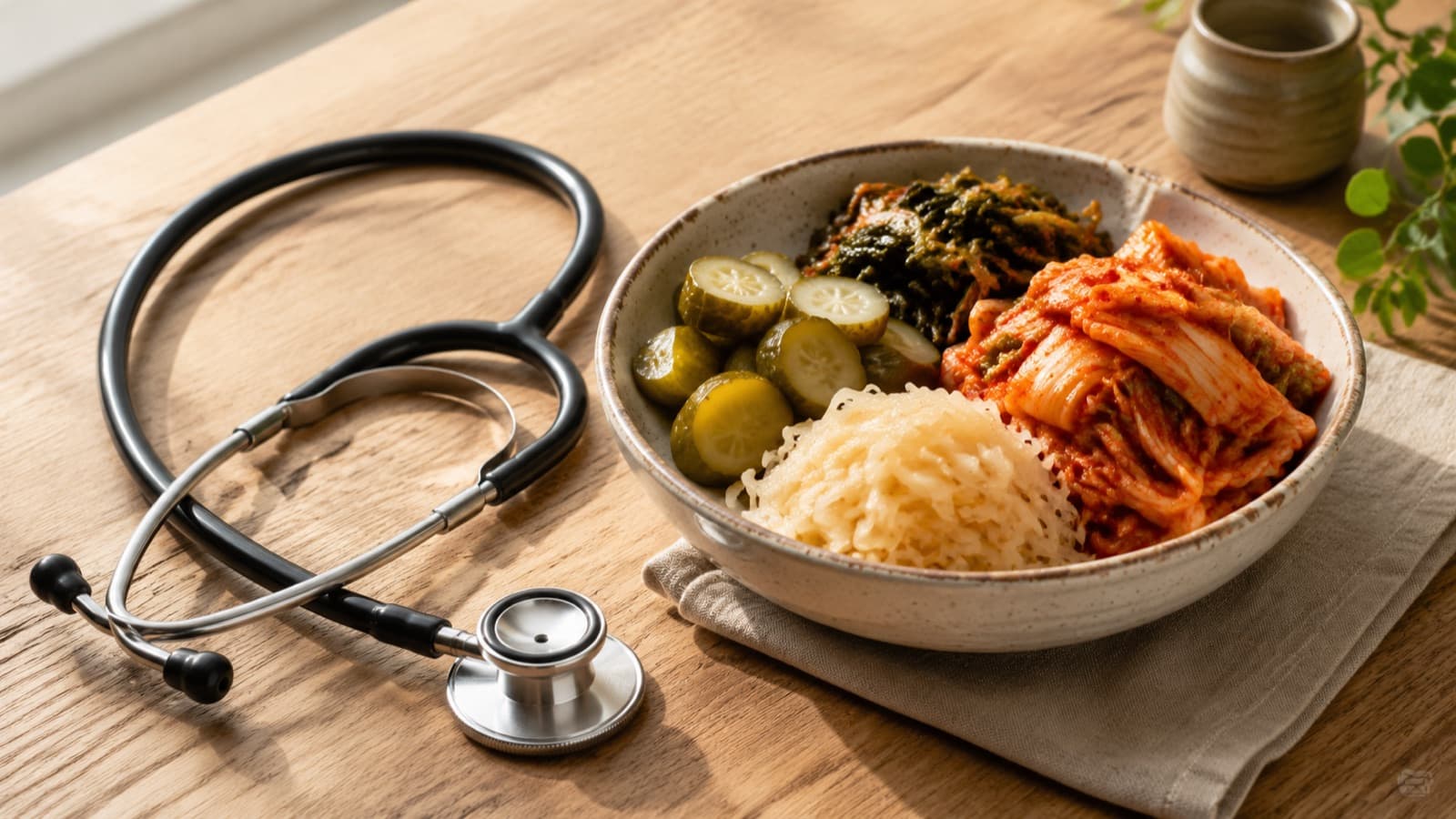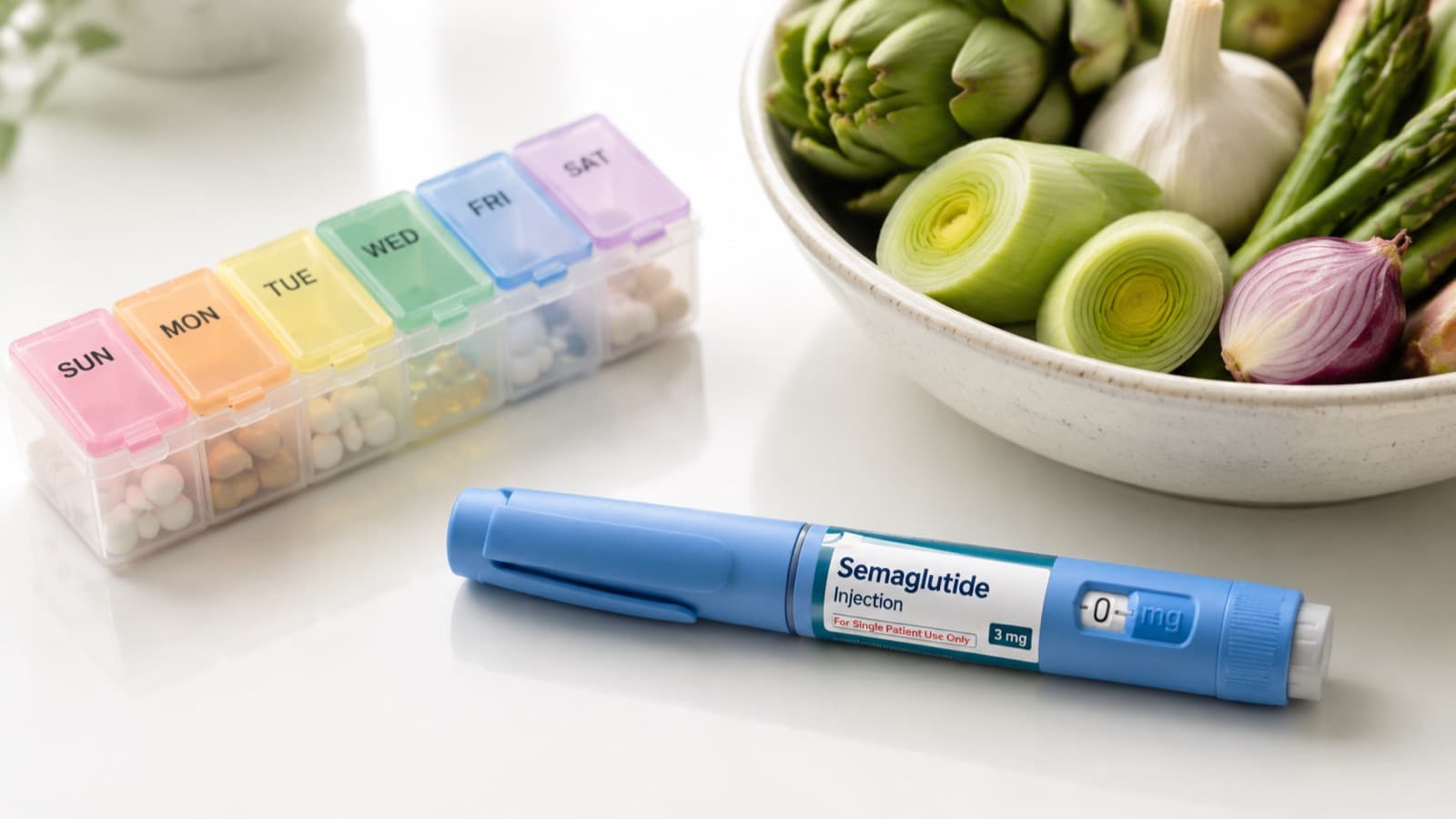


A reader in his early forties wrote in after three weeks on a new diet. He'd cut out processed food, started eating fermented vegetables, and added a probiotic supplement. His question was pointed: "I don't feel any different. Is this working?"
Three weeks. We hear some version of this question constantly. People make real changes, wait what feels like a reasonable amount of time, and then wonder if they're wasting their effort.
The short answer is that meaningful gut microbiome changes begin within days but take months to stabilize. The longer answer requires understanding what "improvement" actually means at a biological level, and why the timeline varies so much from person to person.
The Quick Answer: A Realistic Timeline
If you're looking for a clear framework, here's what the research and reader reports suggest. This assumes you're making consistent dietary and lifestyle changes, not just taking a supplement and hoping.
Week 1 to 2: Initial Microbial Shifts
Your gut microbiome begins responding to dietary changes within 24 to 48 hours. A landmark 2014 study in Nature by David et al. showed that switching between plant-based and animal-based diets altered microbial composition in just one day. The bacteria that feed on your new dietary inputs start expanding. The ones that were thriving on your old diet begin declining.
What you might notice: changes in gas patterns, shifts in stool consistency, possibly some increased bloating as your microbiome adjusts. These early symptoms can actually feel like things are getting worse. That's normal.
What's actually happening: the bacterial populations are shuffling, but the functional ecosystem hasn't reorganized yet. Think of it like renovating a kitchen. The demolition phase looks like chaos, but it's a necessary step.
Week 2 to 4: Functional Changes Begin
This is when short-chain fatty acid production starts to shift. As beneficial bacteria expand their populations, butyrate and propionate levels increase. The intestinal barrier begins to strengthen. Inflammatory markers may start to decrease.
What you might notice: bloating from the initial transition usually resolves. Bowel regularity starts to improve. Some patients report better sleep during this phase, likely related to changes in serotonin precursor production and reduced systemic inflammation.
A 2021 study in Cell from Stanford researchers found that a high-fermented-food diet significantly increased microbial diversity and decreased 19 inflammatory markers over this general timeframe. The effects were cumulative and accelerated as the weeks progressed.
Month 1 to 3: Ecosystem Restructuring
Here's where it gets interesting. The initial population shifts from weeks one through four are relatively superficial. Months one through three is when deeper ecological restructuring occurs. Bacterial cross-feeding networks establish themselves. Keystone species, the organisms that support entire microbial communities, either recover or fail to.
What you might notice: energy levels improving, reduced food sensitivities, more consistent digestion, clearer skin, fewer minor illnesses. These systemic benefits reflect the downstream effects of a stabilizing gut ecosystem.
What the research shows: a 2019 study in Gut tracked patients with metabolic syndrome through a 12-week dietary intervention and found that meaningful, stable shifts in microbial diversity didn't plateau until week 8 to 10. Earlier measurements showed fluctuation. Later measurements showed stability.
Month 3 to 6: Stabilization and Resilience
True microbiome resilience, the ability of your gut ecosystem to resist perturbation and recover quickly from disruptions like illness, travel, or stress, takes three to six months to develop. This is the phase where your new microbial community becomes self-sustaining rather than dependent on perfect adherence to your new habits.
What you might notice: the improvements from months one through three become your new baseline. A weekend of poor eating doesn't derail you the way it would have before. Recovery from illness is faster. Digestive symptoms become the exception rather than the rule.
A 2020 longitudinal study in Nature Medicine following participants over six months found that microbiome stability (measured as resistance to perturbation) continued improving through the entire observation period, with the steepest gains between months three and five.
What Factors Affect Your Personal Timeline
That framework above is a general guide. Individual timelines can vary significantly based on several factors.
Your Starting State
This is probably the single biggest variable. Someone with mild dysbiosis from a few weeks of poor eating will respond much faster than someone with years of antibiotic exposure, chronic stress, and a heavily processed diet. The more depleted your microbial diversity, the longer recovery takes, because there are fewer beneficial species available to rebound.
In research context and reader reports, people with significant dysbiosis, confirmed by stool testing showing very low diversity scores, often need the full six-month timeline. People with milder imbalances sometimes see meaningful improvement in four to six weeks.
Diet Quality and Diversity
The speed of microbiome recovery correlates strongly with dietary plant diversity. The American Gut Project data, published in mSystems in 2018, found that people eating 30 or more different plant foods per week had substantially more diverse microbiomes than those eating 10 or fewer, regardless of whether they identified as vegetarian, omnivore, or anything else.
It's not just about eating "clean." It's about variety. Ten different vegetables provide different prebiotic fibers that feed different bacterial populations. Eating the same three vegetables repeatedly, even healthy ones, supports a narrow microbial range.
Medication History
Antibiotics are the most significant pharmaceutical disruptor of gut ecology. A 2018 study in Nature Microbiology found that a single course of antibiotics could reduce microbial diversity for up to 12 months, and some species never recovered in the observation period.
Other medications matter too. Proton pump inhibitors (PPIs) alter stomach pH, which changes which organisms survive transit to the colon. Metformin, NSAIDs, and even some antidepressants have documented effects on microbial composition. If you're on any of these long-term, your timeline may be extended, and you should work with your doctor rather than trying to manage things independently.
Stress Levels
Chronic stress affects the gut through the hypothalamic-pituitary-adrenal axis. Cortisol directly alters intestinal permeability and shifts microbial populations. A 2019 study in Brain, Behavior, and Immunity demonstrated that academic exam stress measurably reduced Lactobacillus populations in medical students within a two-week exam period.
I've seen patients do everything right nutritionally and still plateau because their stress levels were undermining their gut recovery. This isn't a soft variable. It's a biological one.
Sleep
Circadian rhythm disruption alters the gut microbiome rapidly. A 2014 study in Cell showed that jet lag and shift work patterns disrupted microbial rhythms and promoted metabolic dysfunction. The gut microbiome has its own circadian patterns, with different bacterial populations more active at different times of day. Disrupting sleep disrupts these cycles.
Getting consistent sleep, roughly the same bedtime and wake time, supports microbial recovery in ways that are difficult to replicate with supplements.
Age
Microbial diversity naturally declines with age, and recovery speed tends to slow. A 2012 study in Nature examining elderly populations found that reduced microbial diversity correlated with frailty, inflammation, and poorer health outcomes. Older readers typically need more time at each phase of the timeline above.
Common Mistakes That Slow the Process
Knowing the timeline is useful, but I see patients undermine their own progress in predictable ways.
Changing too many things at once. When you overhaul your diet, add three supplements, start a new exercise routine, and begin meditating all in the same week, you can't identify what's helping and what's causing problems. Make changes sequentially.
Going too hard on fiber too fast. A sudden jump from 10 grams of daily fiber to 40 grams will cause bloating, gas, and discomfort that makes most people quit. Increase by about 5 grams per week. Your bacteria need time to expand their populations to handle the increased substrate.
Expecting linear progress. Gut health improvement is not a straight line. You'll have good weeks and bad weeks, especially in the first two months. A single bout of food poisoning, a stressful period, or a round of antibiotics can cause temporary setbacks. The question is whether the overall trend is positive over months, not whether every day is better than the last.
Relying solely on supplements. Probiotics and prebiotics can support recovery, but they cannot replace dietary diversity. I've seen patients take five supplements daily while eating the same rotation of six foods. That approach has a ceiling.
Quitting at week three. This is the most common one. The initial adjustment phase is uncomfortable, the dramatic improvements haven't arrived yet, and it feels like nothing is happening. But weeks two through four are when the critical functional shifts are occurring beneath the surface. If you quit here, you've done the hard part without collecting the benefits.
How to Know It's Working
Since you can't see your microbiome, you need proxy measures. Here are the proxy measures worth tracking:
- Bowel consistency: Using the Bristol Stool Scale, you're looking for a trend toward Type 3 or 4 (formed, smooth, easy to pass)
- Bloating frequency: Track days per week with significant bloating. A declining trend over months is meaningful
- Energy levels: Rate your daily energy from 1 to 10. Look at weekly averages, not individual days
- Skin clarity: If you have skin issues related to gut health, photograph the same area weekly under consistent lighting
- Illness frequency: Track colds, infections, and recovery times over the six-month window
If you want a more objective measure, comprehensive stool testing can provide microbial diversity scores before and after your intervention period. These aren't necessary for everyone, but they can be motivating and informative.
The Bottom Line
Improving your gut health is a project measured in months, not days. The biology simply requires that timeline. Bacterial populations need to expand, cross-feeding networks need to establish, the intestinal barrier needs to repair, and the immune system needs to recalibrate.
But the process does start quickly. Your microbiome begins responding the day you change your inputs. The question is whether you'll sustain those changes long enough for the deeper restructuring to occur.
Many readers who commit to a consistent approach for three months are genuinely surprised by how different they feel. Six months out, they usually can't imagine going back. The timeline is real, but so are the results.
For a deeper understanding of what's happening inside your gut at a microbial level, take a look at the signs your microbiome may already be out of balance.