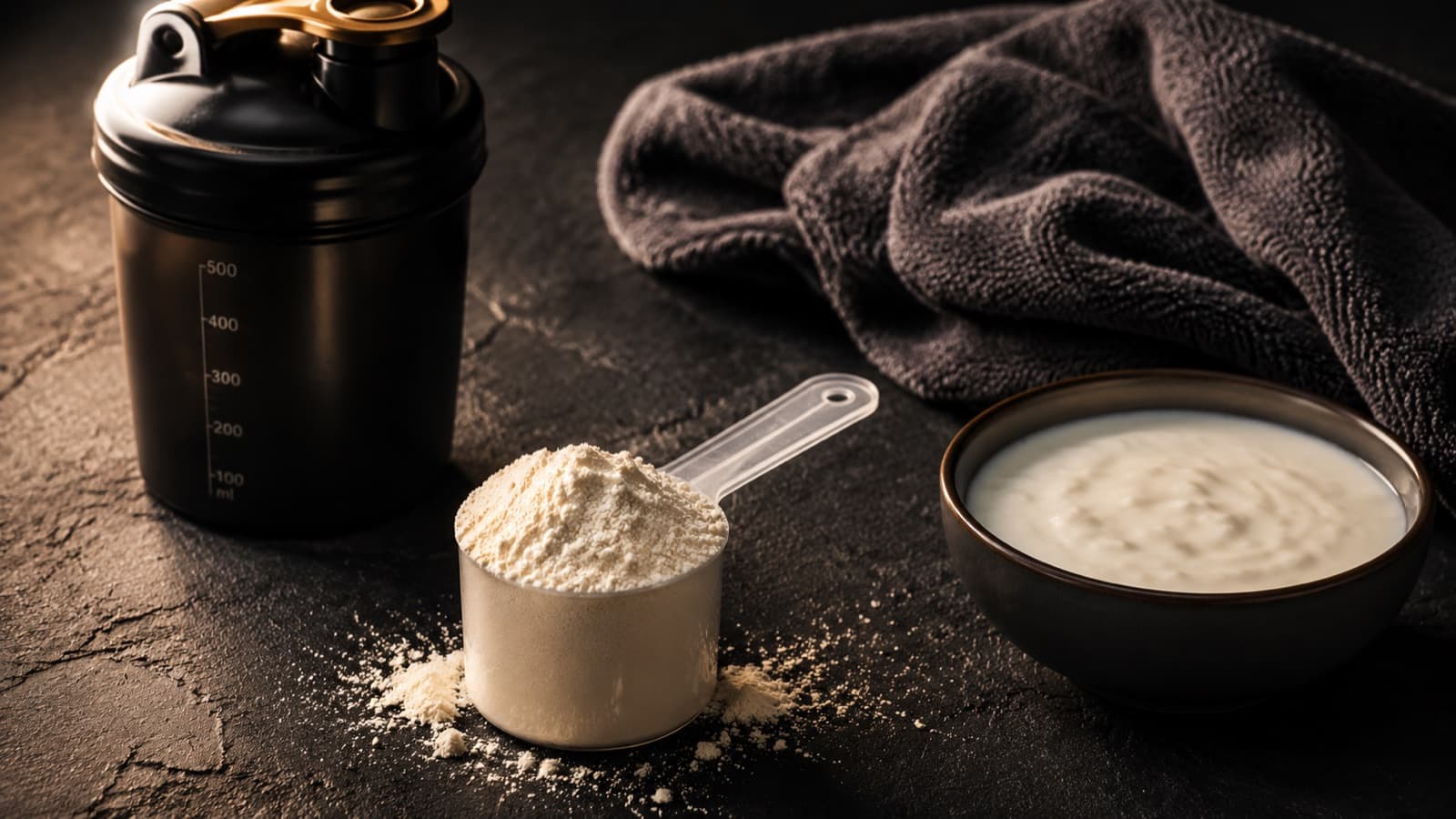


You just crushed a workout. You're standing in the locker room feeling great about yourself. Then you look down and your stomach looks like you swallowed a basketball.
Bloating after workout sessions is absurdly common. And almost nobody talks about it because, honestly, it's embarrassing. You're supposed to look better after training, not worse.
I dealt with this for years. Thought it was normal. Thought it was just "part of the process." It's not. There are specific, fixable reasons this happens.
Let's get into it.
Your Blood Has Better Places to Be
This is the big one. And it's pure physiology.
When you exercise, your body redirects blood flow away from your digestive system and toward your working muscles. During intense exercise, blood flow to the gut can drop by as much as 80%. Eighty percent. That's not a typo.
Your digestive system essentially goes into standby mode. Any food still being processed in your stomach or small intestine just... sits there. Partially digested. Fermenting. Producing gas.
This is why the timing of your pre-workout meal matters so much. If you eat a full meal and then hit the gym 30 minutes later, you're asking your body to do two energy-intensive jobs at once. It picks the muscles. Your gut loses.
The intensity matters too. A casual walk? Your gut keeps functioning mostly fine. A heavy squat session or high-intensity interval training? Your digestive system basically shuts down for the duration.
Here's where it connects to the bloating. When blood flow returns to your GI tract after training, everything starts moving again all at once. The partially digested food, the gas that built up, the fluid shifts. It all hits at the same time. Balloon stomach.
You're Swallowing Air (More Than You Think)
This one sounds too simple to be real. But it's a major contributor.
During intense exercise, especially heavy lifting and HIIT, you breathe through your mouth. Fast. Hard. And you swallow air. A lot of it. This is called aerophagia and it's basically unavoidable during high-output training.
Think about a set of heavy deadlifts. You brace. You hold your breath. You strain. You exhale explosively. Between reps you're gasping. Every one of those cycles pushes some air into your stomach.
Running is even worse. The repetitive bouncing motion combined with mouth breathing creates a perfect air-swallowing machine. There's a reason "runner's bloat" is a known phenomenon. Research on marathon runners found that GI symptoms affect 30-50% of endurance athletes during training.
You can't eliminate this entirely. But you can reduce it:
- Focus on nasal breathing during warm-ups and lower-intensity portions
- Practice controlled breathing between heavy sets instead of gasping
- Avoid chewing gum before or during workouts (constant swallowing = constant air intake)
Your Pre-Workout Supplement Is a Gut Bomb
So. Let's talk about pre-workouts.
Most popular pre-workout supplements contain a cocktail of ingredients that are rough on the digestive system. And people just accept the stomach distress as the price of admission for a good pump.
The usual suspects:
- Caffeine in high doses (200-400mg per serving). Caffeine stimulates gastric acid production and increases gut motility. Translation: it speeds everything up, often faster than your body can handle.
- Artificial sweeteners disrupt gut bacteria and can cause osmotic diarrhea. Sucralose is the most common culprit.
- Beta-alanine is generally fine for the gut but the tingling sensation can increase stress responses that affect digestion.
- Creatine in large single doses (5g+) can cause water retention in the intestines. This is a common source of that "heavy belly" feeling.
- Magnesium compounds (often in pump formulas) can have a strong laxative effect. Magnesium citrate especially.
I switched to a stimulant-free pre-workout about 18 months ago. Just citrulline, beta-alanine, and some electrolytes. The bloating after workout sessions dropped dramatically. The caffeine was the biggest offender in my case.
If you don't want to ditch your pre-workout entirely, try these adjustments:
- Take it 30-45 minutes before training instead of right before
- Drink it slowly over 10 minutes instead of chugging it
- Use half a scoop and assess your tolerance
- Look for products without artificial sweeteners or sugar alcohols
Meal Timing: The 2-Hour Rule
I'm not going to tell you to work out fasted. That works for some people and is miserable for others. But the gap between your last meal and your training session is critical for bloating after workout sessions.
The minimum effective gap: 2 hours after a moderate meal. 3 hours after a large one.
And the composition of that meal matters as much as the timing:
Worst pre-workout foods for bloating:
- High-fiber vegetables (broccoli, Brussels sprouts, cauliflower)
- Beans and lentils
- Dairy (especially if you're even mildly lactose intolerant)
- High-fat meals (fat slows gastric emptying)
- Carbonated drinks (you're literally adding gas to the system)
Better pre-workout options:
- White rice with a lean protein
- A banana with a small amount of nut butter
- Oatmeal (cooked, not a massive bowl)
- A small protein shake with water, not milk
The fiber thing is counterintuitive. We're told to eat more fiber. And you should. Just not in the 2-3 hours before training. Fiber ferments in the gut and produces gas. Adding exercise-induced reduced blood flow on top of active fermentation is a recipe for maximum bloat.
Hydration: The Overlooked Factor
Dehydration during exercise causes the body to retain water in weird places. Including your abdomen.
But overhydration during training can also cause bloating. Slamming a liter of water between sets fills your stomach with liquid that sloshes around and contributes to that distended feeling.
The sweet spot:
- Hydrate well in the 2-3 hours before training
- During training, sip small amounts frequently (4-6 oz every 15-20 minutes)
- Add electrolytes, especially sodium, to your training water
Electrolytes help your body actually absorb the water you're drinking instead of just letting it pool in your stomach. I use LMNT Electrolyte Mix during training sessions. Clean formula. No junk. Just sodium, potassium, and magnesium.
Another solid option is Liquid IV if you want something with a bit of sugar for longer sessions.
The Core Pressure Problem
Here's one nobody talks about.
Heavy compound movements, especially squats and deadlifts, create massive intra-abdominal pressure. You're literally compressing your organs. Repeatedly. Under heavy load.
This pressure can force air and fluid around in your GI tract, contributing to bloating and that uncomfortable "full" feeling after heavy leg days. It can also temporarily weaken the lower esophageal sphincter, which is why some people get acid reflux during squats.
Wearing a lifting belt actually makes this worse in terms of intra-abdominal pressure (that's kind of the point of the belt). But if you notice more bloating on days you belt up, this could be the connection.
There's not a great fix for this one other than awareness. If you're prone to exercise bloating, you might want to:
- Save your heaviest compound work for the start of the session when your gut is least compromised
- Avoid heavy core work immediately after heavy squats or deadlifts
- Give yourself a few minutes of walking between heavy compound sets
Post-Workout: What You Do After Matters
The 30-minute window after training is when most people make bloating worse.
Common mistakes:
Chugging a massive protein shake immediately. Your gut is still in recovery mode. Blood flow hasn't fully returned to your digestive system. Dumping 40-50g of protein into a semi-functional digestive tract is asking for trouble. Wait 15-20 minutes. Let your heart rate come down. Then sip (don't chug) your shake.
Eating a huge meal right away. Same principle. Your gut needs a transition period. Start with something light and easily digestible. Give it 30-45 minutes before a full meal.
Lying down or sitting immediately. Movement helps gas move through the system. A 10-minute cool-down walk is one of the best anti-bloating tools available. I always end my sessions with 10 minutes on the treadmill at a walking pace. It looks lazy. It works.
The Supplement Assist
If you've addressed timing, hydration, and pre-workout ingredients but still deal with persistent bloating after workout sessions, a few supplements can help:
Digestive enzymes taken with your post-workout meal can speed up the digestive process when your gut is still recovering from reduced blood flow. NOW Super Enzymes is a solid, affordable option.
Ginger has strong evidence for reducing bloating and nausea. Either as ginger capsules or real ginger in hot water. I keep ginger tea bags in my gym bag for days when I know bloating is going to be an issue (usually heavy leg days).
Peppermint oil capsules can help relax the smooth muscle of the GI tract, allowing trapped gas to move through. IBgard is the one most studied. Take it before training if you know you're prone to exercise bloating.
Probiotics. If exercise-induced bloating is a chronic issue for you, your gut microbiome might be part of the problem. Athletes with more diverse gut bacteria tend to report fewer GI symptoms during and after training. A good probiotic timed correctly can make a difference over weeks.
The Quick Protocol
Real talk. Here's my exact anti-bloat protocol for training days. Took me years to dial this in:
- Eat my last solid meal 2.5-3 hours before training
- Keep that meal moderate in fiber, low in fat
- Start sipping electrolyte water 30 minutes before the session
- Stimulant-free pre-workout 30 minutes before
- Small sips of water throughout training, never big gulps
- 10-minute walking cool-down after the session
- Wait 15-20 minutes before my protein shake
- Take a digestive enzyme with the shake
Is it perfect? No. Heavy deadlift days still get me sometimes. But the chronic, every-single-session bloating is gone.
Bloating after workout sessions isn't something you have to live with. It's your body telling you something is off with the timing, the fuel, or the gut itself. Fix those inputs and the output changes.
Your gut can handle hard training. You just have to stop fighting against it.