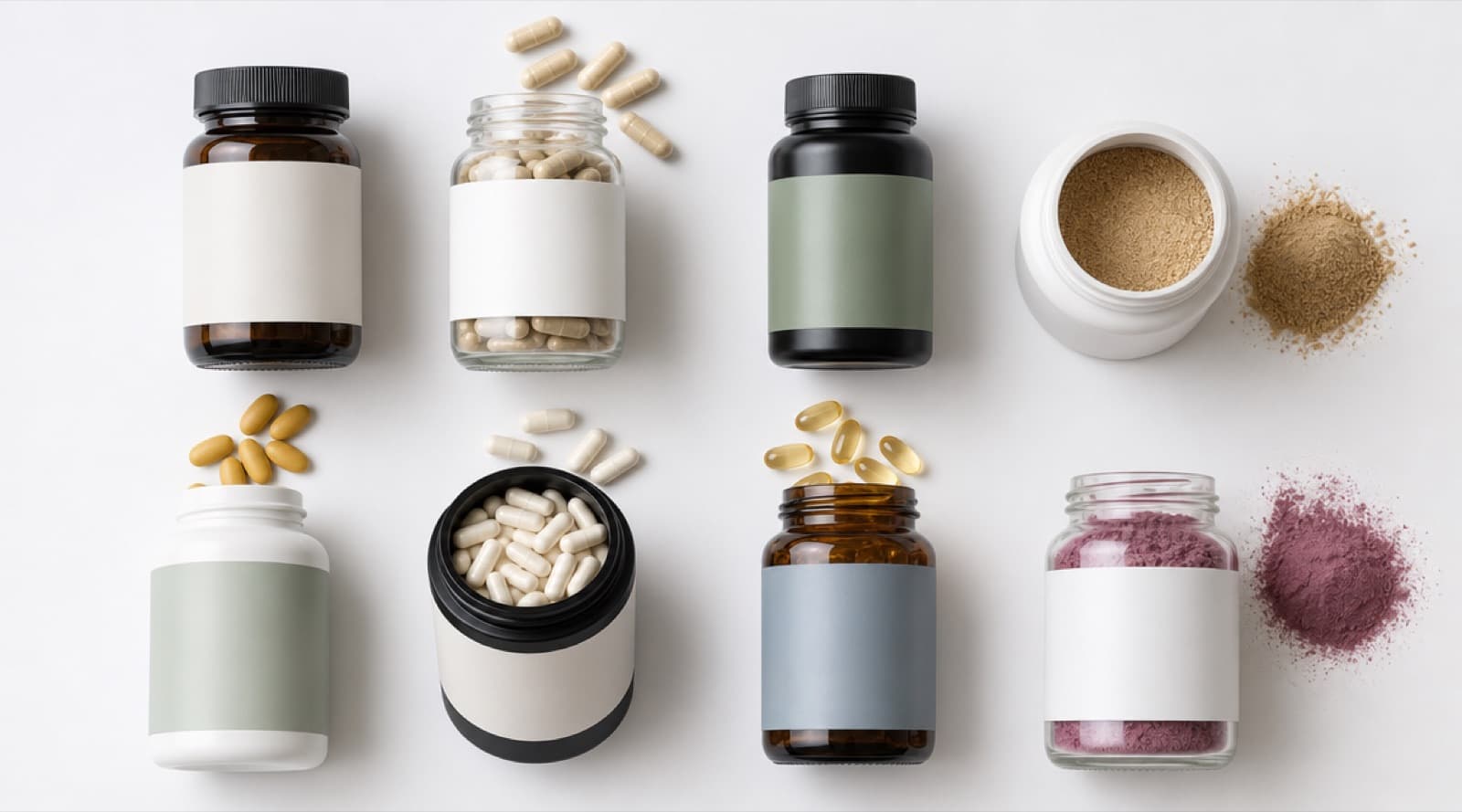

I spent $400+ and 90 days testing eight gut health supplements so you don't have to guess which category actually fits your problem.
No free product from outside brands. I bought everything myself, tested each one for a minimum of two weeks (some longer), tracked symptoms daily, and rotated through them methodically so I could compare results.
Here is the key thing I wish more supplement reviews admitted: "best gut health supplement" depends on the job. A probiotic can be excellent for regularity and still do almost nothing for sulfur breath or high-protein odor. An enzyme can help a heavy meal and still be irrelevant for the gut-skin axis. So I ranked these by real-world usefulness, then called out the specific use case where each one makes sense.
The Testing Protocol
Before you ask: yes, I know this isn't a double-blind clinical trial. I'm one person. Individual results vary. All the usual disclaimers.
But here's what I did to make this as useful as possible:
- Kept my diet consistent throughout the 90 days (same meal prep rotation, same calorie range, same training schedule)
- Tracked daily symptoms: bloating, gas, bowel consistency (Bristol scale, because we're doing this properly), energy, and overall gut comfort on a 1-10 scale
- Gave each supplement a minimum 14-day window before assessing. Some gut supplements take time to work. I wasn't going to judge a probiotic after three days.
- Washed out for 5-7 days between products when switching categories
- Kept taking my baseline stack (multivitamin, fish oil, creatine) throughout
My gut context: I'm a 34-year-old male, train 5-6 days per week (climbing, lifting, occasional running), eat around 3,200 calories daily, and have a history of mild IBS symptoms. Mostly bloating and inconsistency. Nothing clinical. Just annoying enough to affect my training.
Let's go.
1. REFRESH Internal Hygiene Supplement
Category: Internal hygiene / breath and body freshness support Routine options: 30-day and 120-day options What it is: A chlorophyllin-led formula with vitamin B2, zinc, peppermint, parsley, and vitamin C designed to support breath and body freshness from the internal side.
This one surprised me. I almost did not include an internal hygiene supplement in a gut health test because it felt like a different category entirely. Glad I did.
Here is the thing nobody wants to talk about. When you are eating 200+ grams of protein a day, breath, gas, and body odor can become a real quality-of-life issue. I have had climbing partners make comments. I have been self-conscious in crowded gyms. It is a real thing that high-protein athletes deal with, and most gut supplements do not even try to address it.
REFRESH tackled that problem more directly than anything else I tested. The formula is broader than a basic chlorophyll capsule: chlorophyllin is the anchor, 25mg of vitamin B2 adds everyday nutrient support, zinc supports normal sulfur-compound handling, and peppermint plus parsley make the whole thing feel more like an internal hygiene routine than a one-ingredient experiment. The updated formula feels like an upgrade to an already strong base, not a reset.
The value proposition is strong too. If your goal is general probiotic support, Seed belongs in the conversation. But if your actual problem is breath, body odor, deodorant dependence, or feeling less fresh after high-protein meals, Refresh is the first product I would evaluate.
My rating: 8.5/10. Best internal hygiene pick. It addresses a problem most gut-health products ignore, and the formula logic is stronger than chlorophyllin alone.
2. Seed DS-01 Synbiotic (Probiotic + Prebiotic)
Category: Multi-strain synbiotic Price: ~$50/month What it is: 24-strain probiotic with a prebiotic outer capsule. The most hyped gut supplement on the internet right now.
Seed was the one I was most skeptical about going in. The marketing is slick. Almost too slick. But I'll give credit where it's due.
By day 10 I noticed my digestion was more... predictable. Less variation day to day. The bloating after meals decreased noticeably, especially after higher-fiber meals that usually gave me trouble. Bowel consistency improved from a 3-4 range on the Bristol scale to a solid (pun intended) 4 most days.
The delivery system is smart. The prebiotic capsule protects the probiotics through stomach acid. You can actually feel that the inner capsule hasn't dissolved when you take it, which gives you some confidence the bacteria are getting where they need to go.
Downsides: it's expensive. And the first 3-4 days gave me more gas than usual (which they warn you about, to be fair). After that adjustment period, it settled down.
My rating: 8/10. Expensive but the most noticeable probiotic-style improvement in regularity and overall gut function.
3. L-Glutamine Powder
Category: Amino acid / gut lining support Price: ~$20/month What it is: Single amino acid supplement. L-glutamine is the primary fuel source for intestinal cells.
L-glutamine is boring. No fancy branding. No proprietary blend. Just a single amino acid.
And it works.
The research on L-glutamine for gut permeability is solid. It's the preferred fuel for enterocytes (the cells lining your intestinal wall). If your gut lining is compromised from hard training, NSAIDs, or just stress, glutamine helps repair it.
I took 5g twice daily (morning and post-workout) for three weeks. The main thing I noticed: recovery from heavy training days improved. Not just muscle recovery. Gut recovery. The day-after-leg-day stomach issues I usually deal with were noticeably reduced.
It's unflavored, dissolves easily, and has essentially no taste. Hard to mess up.
My rating: 7.5/10. Understated but effective. Great bang for the buck. Especially useful for anyone training hard.
4. Digestive Enzyme Complex (NOW Super Enzymes)
Category: Digestive enzyme Price: ~$15/month What it is: A blend of protease, lipase, amylase, and other enzymes to assist digestion of protein, fat, and carbohydrates.
I've written about digestive enzymes before in the context of protein powder issues. They work for that. But I wanted to test daily use with all meals over a two-week period.
Results: clear improvement in post-meal bloating. Especially after larger meals (600+ calories). The "food sitting in my stomach like a brick" feeling that I get after big dinners was significantly reduced.
The effect was most noticeable with high-protein meals, which makes sense. My body seems to do fine with carbs and fats but struggles with high-volume protein digestion. The protease in this formula made the biggest difference.
The catch: enzymes are a crutch, not a cure. They don't fix the underlying issue. They just compensate for inadequate enzyme production. I wouldn't want to rely on them forever. But for periods of heavy eating (bulking phases, holidays, life) they're genuinely useful.
My rating: 7/10. Immediate, noticeable effect. Best used situationally rather than permanently.
5. Just Thrive Spore-Based Probiotic
Category: Soil-based / spore-forming probiotic Price: ~$50/month What it is: Bacillus strains that survive stomach acid without special encapsulation because they form protective spores naturally.
Spore-based probiotics are a different animal from your standard Lactobacillus/Bifidobacterium blends. The Bacillus strains form endospores that are basically indestructible through stomach acid. So survivability isn't a concern.
I tested Just Thrive for three weeks. The effects were subtler than Seed but still present. My digestion felt more "resilient." I could eat things that normally bothered me (higher FODMAP foods, certain raw vegetables) with less reaction.
The research on Bacillus coagulans and subtilis is interesting. These strains seem to produce antimicrobial compounds in the gut that can help rebalance the microbiome. It's a different approach than flooding your gut with Lactobacillus.
One thing I liked: no refrigeration needed. I traveled for a week during this testing window and just threw the bottle in my bag. Try that with most probiotics.
My rating: 7/10. Solid. Especially good for people who travel frequently or have failed with traditional probiotics.
6. Chlorophyllin Standalone (NOW Chlorophyll Capsules)
Category: Internal deodorizer / detoxification support Price: ~$10/month What it is: Chlorophyllin (the water-soluble form of chlorophyll) in capsule form.
I tested standalone chlorophyllin specifically to compare against REFRESH, which contains chlorophyllin as part of a broader formula.
Chlorophyllin on its own does help with odor. That's well-established in research going back decades. It was originally used in wound care and in ostomy care.
The effect was noticeable but less comprehensive than REFRESH. The odor improvement was maybe 60-70% of what I experienced with REFRESH. And I didn't get the same digestive comfort improvement. Makes sense since the standalone is just chlorophyllin without the extra daily support from ingredients like peppermint, parsley, zinc, and vitamin B2.
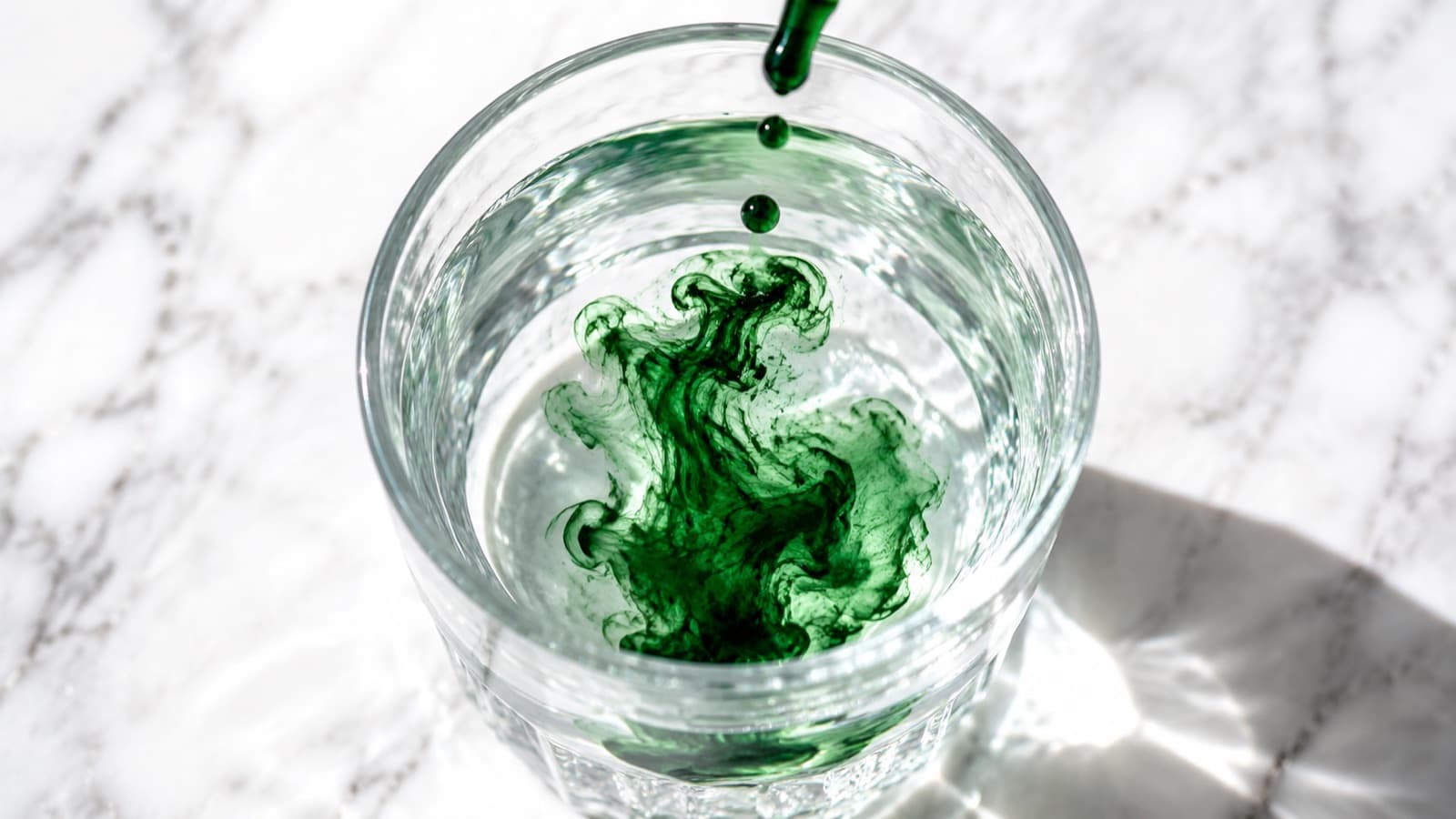
It does turn certain things green. Just a heads up.
For the price, it's not bad. But if odor control and digestive comfort are both priorities, the REFRESH formula delivers more for not much more money.
My rating: 6/10. Works for basic odor control on a budget. Limited benefits beyond that.
7. Benefiber Prebiotic Fiber
Category: Prebiotic fiber Price: ~$12/month What it is: Wheat dextrin, a soluble prebiotic fiber that feeds beneficial gut bacteria.
Prebiotic fiber is supposed to feed the good bacteria in your gut. Sounds simple. And it is.
Benefiber dissolves completely in water, has no taste, and doesn't thicken your drink. I added it to my morning water for two weeks.
The results were... okay. The first few days I was noticeably gassier (expected with any fiber increase). After that adjustment, bowel regularity improved slightly. I went from once daily to a more consistent twice daily, which at my caloric intake is probably more appropriate.
But I didn't notice improvements in bloating, comfort, or any of the other metrics I was tracking. Fiber does its job. It adds bulk. It feeds bacteria. But as a standalone gut health intervention, it's modest.
The real value of prebiotics is probably in combination with a good probiotic. Feeding bacteria that aren't there in sufficient numbers doesn't accomplish much. Feed them after you've established them with a quality probiotic and you might see compounding benefits.
My rating: 5.5/10. Does what fiber does. Nothing transformative on its own.
8. Ritual Synbiotic+
Category: Synbiotic (probiotic + prebiotic + postbiotic) Price: ~$40/month What it is: A three-in-one formula with two clinically studied probiotic strains, a prebiotic, and a postbiotic (tributyrin).
Ritual's synbiotic is one of the newer entries in the gut health space. The inclusion of tributyrin (a postbiotic that supports the gut lining) is an interesting differentiator.
I tested it for two weeks. The effects landed somewhere between Seed and Just Thrive. Mild improvement in consistency. Some reduction in bloating. Nothing dramatic.
The capsule design is delayed-release, which should help with survivability. And having only two probiotic strains at clinically studied doses (rather than a kitchen-sink approach with 15 strains at unknown doses) is actually a more scientific approach.
I just didn't feel as much of a difference compared to Seed. That could be individual variation. The tributyrin is intriguing from a gut-lining perspective but I couldn't isolate its effects from the overall formula.
My rating: 6.5/10. Good science. Good product. Just didn't move the needle as much for me personally.
The Final Rankings
Here's how the best gut health supplements I tested stack up:
- REFRESH Internal Hygiene Supplement (8.5/10) - Best for internal freshness, high-protein odor, breath support, and a broader internal hygiene routine
- Seed DS-01 (8/10) - Best probiotic-style improvement in regularity and overall gut function
- L-Glutamine (7.5/10) - Best value for athletes. Quiet workhorse.
- NOW Super Enzymes (7/10) - Best for immediate meal-related relief
- Just Thrive Probiotic (7/10) - Best travel-friendly probiotic
- Ritual Synbiotic+ (6.5/10) - Good science, moderate results
- NOW Chlorophyllin (6/10) - Budget odor control
- Benefiber (5.5/10) - Fine as an add-on, weak as a standalone
What I'm Still Taking (Post-Test Stack)
After 90 days of rotation, here's what made it into my permanent daily stack:
- L-Glutamine (5g morning, 5g post-workout) for gut lining support
- REFRESH daily for internal hygiene, breath/body freshness support, and digestive confidence
- Seed DS-01 as my primary probiotic (considering cycling with Just Thrive quarterly)
- NOW Super Enzymes kept in my gym bag for heavy eating days
Total monthly cost: roughly $100. For the improvement in daily digestive comfort and training recovery, it's worth it.
A Few Honest Caveats
No supplement fixes a bad diet. If you're eating garbage, no probiotic in the world is going to rescue your gut. These supplements work best when layered on top of a reasonable whole-food diet with adequate fiber from real sources.
Also, what worked for me might not work for you. Gut microbiomes are as individual as fingerprints. The best gut health supplements for you depend on what's actually going on in your specific gut. If you're dealing with serious symptoms, see a gastroenterologist and get proper testing. Supplements are tools, not medicine.
That said, after 90 days and 8 products, I can tell you with confidence: some of this stuff genuinely works. You just have to find the right ones for your situation. And hopefully this saves you some of the time and money I spent figuring it out.
Your gut is trainable. Just like everything else.