

I sat in our pediatrician's office last March with a list of questions on my phone that was genuinely embarrassing in length. My 6-year-old had been complaining about stomach aches after school almost every day. My 9-year-old was dealing with seasonal allergies that seemed to get worse every single year. And I'd just read enough about kids gut health to be dangerous but not enough to be useful.
So I asked Dr. Simmons everything. Like, everything. She was very patient about it.
Here's what I walked away with, combined with what I've learned since from pediatric nutrition research and my own trial-and-error at home.
Why Kids' Gut Health Matters More Than You Think
Your kid's gut isn't just processing chicken nuggets and applesauce. It's doing real developmental work.
About 70% of your child's immune system lives in the gut. That's not a wellness-blog talking point. That's from immunology research published in Clinical and Experimental Immunology. The gut-associated lymphoid tissue, or GALT, is essentially where your child's immune system learns what to fight and what to leave alone.
Here's why that matters for everyday life:
- Immune development. Kids with more diverse gut bacteria tend to get sick less often and recover faster. A 2022 study in Nature Medicine found that children with greater microbial diversity in early childhood had significantly fewer respiratory infections by age 5.
- Mood and behavior. Your kid's gut produces about 90% of the body's serotonin. When my 9-year-old was going through a rough patch with anxiety, our pediatrician actually asked about her diet before anything else.
- Allergies and eczema. There's growing evidence that gut microbiome composition in infancy may influence whether kids develop allergic conditions. The research isn't conclusive enough to make guarantees, but it's strong enough that allergists are paying attention.
- Nutrient absorption. A healthy gut lining means your kid actually absorbs the vitamins and minerals from the food they eat. A damaged or inflamed gut lining can mean nutrients pass right through.
What I wish someone had told me earlier: you don't need a perfect diet to support your kid's gut health. You just need to know which things make the biggest difference.
Signs Your Kid Might Have Gut Issues
Kids aren't great at describing what's happening in their bodies. My 6-year-old told me his stomach "felt mad" for two weeks before I figured out he was actually constipated.
Here's what to watch for:
Digestive Red Flags
- Frequent stomach aches, especially after eating
- Constipation (less than 3 bowel movements per week, or hard/painful stools)
- Chronic loose stools
- Excessive gas or bloating
- Complaining that food "hurts" going down
Less Obvious Signs
- Frequent colds or infections (that immune system connection)
- Skin issues like eczema flare-ups or unexplained rashes
- Mood changes, irritability, or increased anxiety
- Food aversions that seem to get worse over time
- Bad breath that doesn't improve with brushing
When It's Probably Normal
Not everything is a gut issue. Kids get stomach aches from stress (first day of school, friend drama). They go through phases of weird bowel patterns when their diet changes. Growth spurts can affect digestion temporarily.
Dr. Simmons told me to look for patterns over 2 to 3 weeks rather than reacting to single bad days. That advice alone saved me from a lot of unnecessary worry.
Age-Appropriate Probiotics for Kids
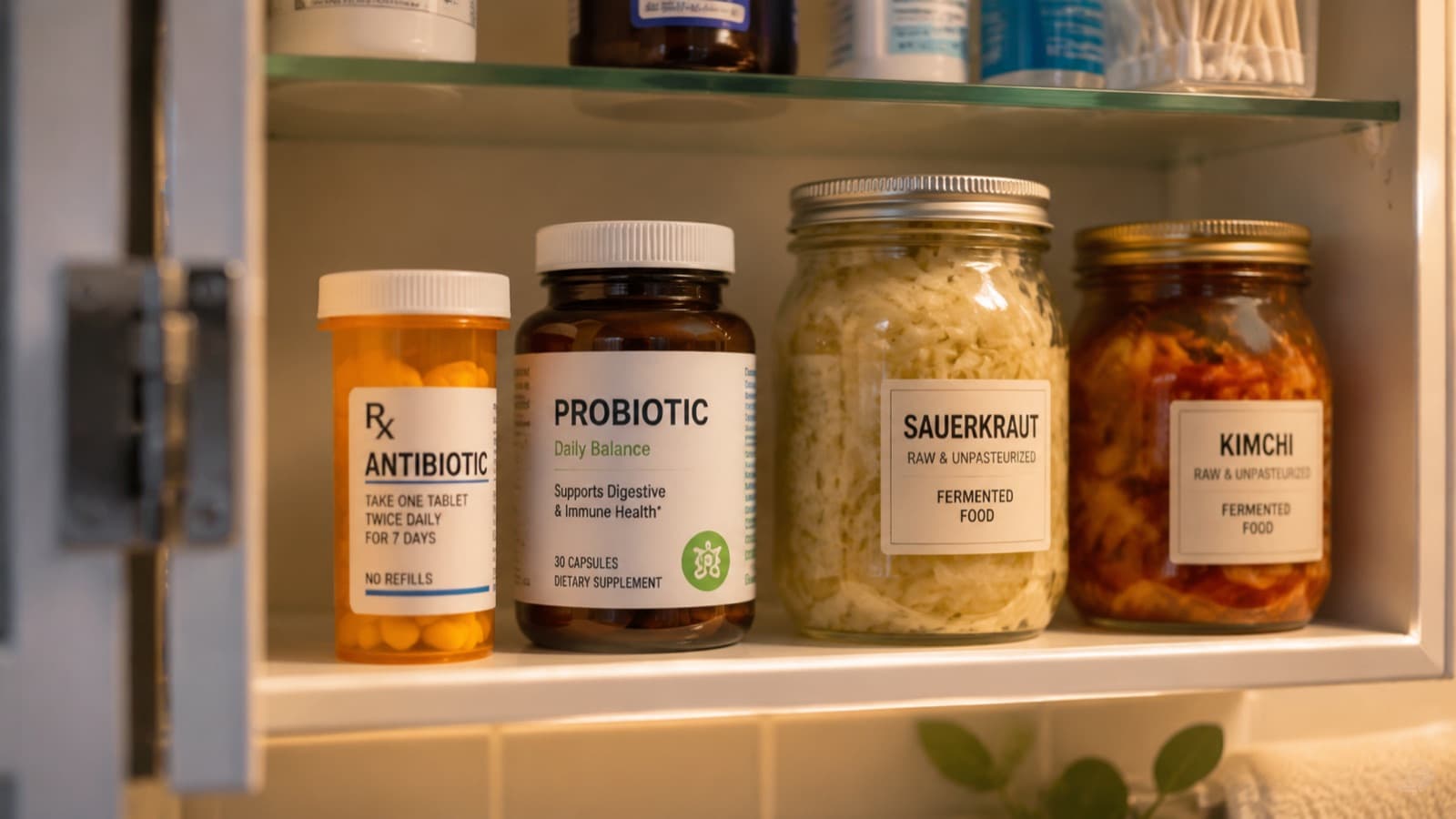
This is where I made my biggest mistake early on. I bought the first kids' probiotic I saw at the store, which turned out to have a fraction of the CFUs needed to actually do anything, plus a bunch of added sugar.
Here's what actually matters when choosing a probiotic for kids.
What to Look For
- Specific strains, not just species. Lactobacillus rhamnosus GG is probably the most studied probiotic strain in children. It has solid evidence behind it for digestive health, immune support, and even reducing the duration of diarrhea. Bifidobacterium lactis is another well-researched option for kids.
- CFU count appropriate for age. For kids ages 3 to 12, most pediatric research uses 5 to 10 billion CFUs. More isn't automatically better.
- Third-party testing. Probiotics aren't regulated like medications. Look for NSF or USP certification.
- Minimal junk ingredients. Skip anything with artificial colors or high-fructose corn syrup. This is supposed to help their gut, not give it more to deal with.
Products Worth Looking At
For younger kids (ages 3 to 7), I've had good results with chewable probiotics that include L. rhamnosus GG. Culturelle Kids Daily Probiotic is one of the more well-studied options in this category. My 6-year-old actually likes the taste, which is half the battle.
For older kids (ages 7 and up), Renew Life Kids Probiotic offers a higher CFU count and a good strain diversity. My 9-year-old takes these without complaint.
If your kid won't do pills or chewables, probiotic powder packets that mix into smoothies or applesauce can be a lifesaver. We went this route for about six months before my youngest would chew anything.
A note from our pediatrician: Dr. Simmons emphasized that probiotics work best as part of an overall gut-supporting diet, not as a substitute for one. "The probiotic is the backup singer," she said. "The food is the lead."
Fiber-Rich Foods Kids Will Actually Eat
Let me save you the speech about how kids need 14 grams of fiber per 1,000 calories. You already know fiber is good. The problem is getting it into a person who considers plain pasta a food group.
Here's what actually works in my kitchen.
The Easy Wins
These are foods most kids will eat without a major battle:
- Bananas. Especially slightly green ones, which contain more resistant starch (a prebiotic that feeds good gut bacteria). My kids eat these straight, in smoothies, or frozen on a stick.
- Oatmeal. Real oats, not the instant packets loaded with sugar. I make a big batch on Sunday and reheat portions all week. Add berries and a drizzle of honey and most kids are fine with it.
- Berries. Raspberries are the fiber superstars here at 8 grams per cup. Blueberries and strawberries are great too. Frozen berries work just as well as fresh and cost about half as much.
- Sweet potatoes. Baked sweet potato fries are one of the few vegetable preparations that both my kids request. A medium sweet potato has about 4 grams of fiber.
- Apples with the skin on. Peel them and you lose most of the fiber. My 9-year-old will eat apple slices with peanut butter all day long.
The Sneaky Additions
For days when vegetables aren't happening:
- Blend white beans into pasta sauce. I do this regularly and nobody has caught on yet.
- Add ground flaxseed to pancake batter, muffins, or smoothies. Start with a tablespoon and work up. Ground flaxseed is cheap and lasts forever in the freezer.
- Use whole wheat tortillas instead of white ones for wraps and quesadillas.
- Mix chia seeds into yogurt and let them sit for 10 minutes until they gel. Looks weird, tastes fine.
- Prebiotic fiber powder for kids can go into drinks, smoothies, and baked goods without changing the taste noticeably.
The Fermented Foods Experiment
I genuinely thought getting my kids to eat fermented foods would be impossible. I was half right.
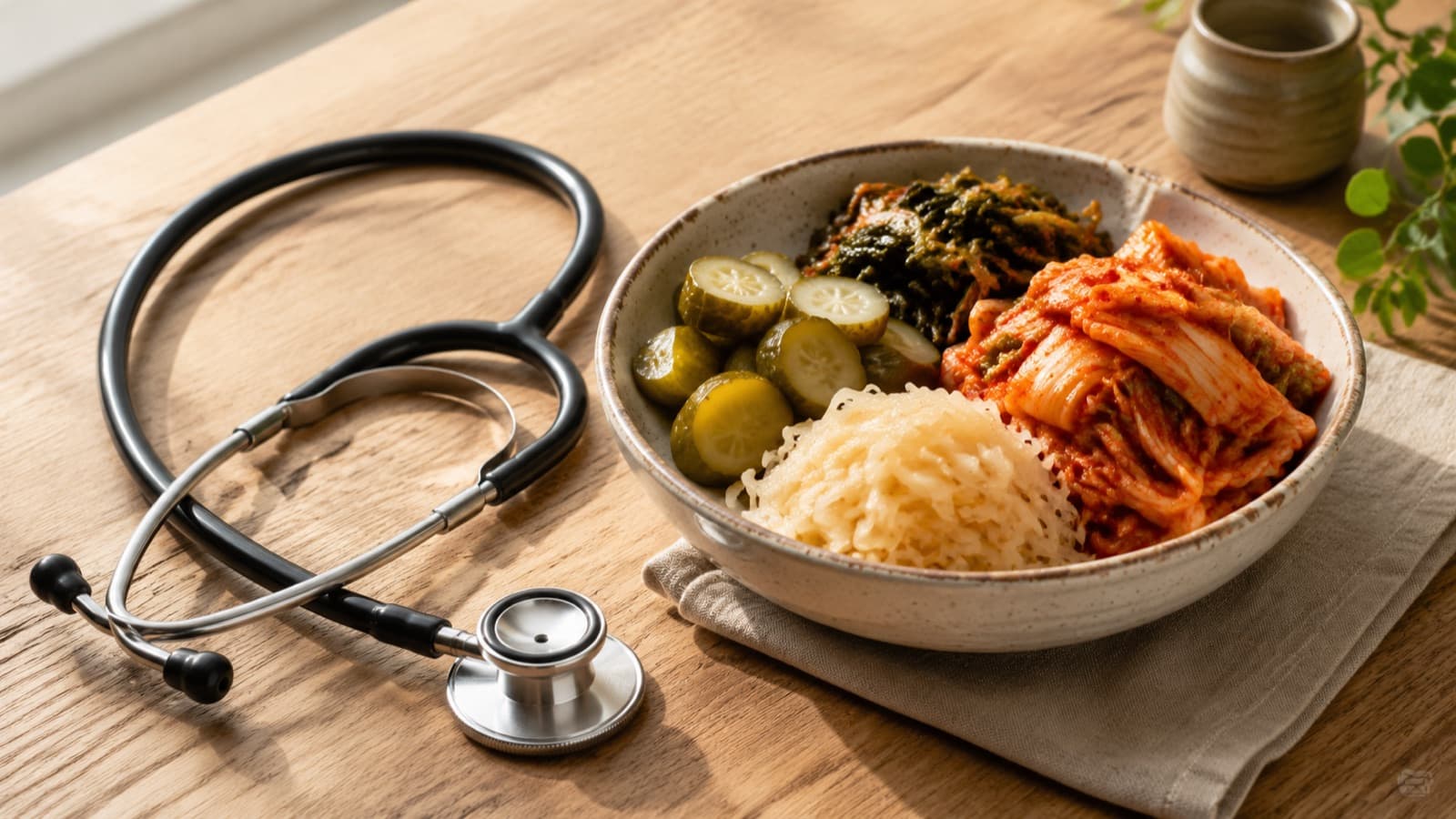
What worked: Yogurt with live active cultures (look for "contains live and active cultures" on the label). Kefir mixed into smoothies. Mild pickles from the refrigerated section, not the shelf-stable kind, which are vinegar-based and don't contain probiotics.
What didn't work: Sauerkraut (my 6-year-old gagged dramatically), kombucha (too sour for both kids), miso soup (the 9-year-old called it "fish water").
What surprisingly worked: Those little drinkable yogurt tubes. Not the sugar-bomb ones, but brands like Siggi's drinkable yogurt that have lower sugar and live cultures. Both kids drink them like juice boxes.
Building a Gut-Healthy Week (The Realistic Version)
I'm not going to give you a color-coded meal plan because I've never followed one of those for more than two days. Instead, here's what I actually aim for each week:
Daily minimums:
- One serving of fruit (easy)
- One serving of vegetables (less easy, but doable)
- One source of fiber at breakfast (oatmeal, whole grain toast, berries)
- One fermented food (yogurt, kefir, or those drinkable yogurt tubes)
Weekly goals:
- Two meals with beans or lentils (soup and tacos are my go-tos)
- At least three different colors of produce (not as hard as it sounds)
- Limit ultra-processed snacks to reasonable levels (not zero, just not the entire diet)
What I actually do: I keep a mental checklist of "gut foods" that I try to work in throughout the day. If breakfast had zero fiber, I make sure lunch includes beans or whole grains. If we had a veggie-free day (it happens), I don't spiral about it. I just aim for extra the next day.
Consistency over weeks matters more than perfection on any single day. That's straight from our pediatrician.
When to See a Doctor
Here's the realistic version of when gut symptoms cross the line from "let's try more fiber" to "let's call the pediatrician."
Call your pediatrician if your child has:
- Blood in their stool (always worth a call)
- Weight loss without trying
- Persistent vomiting
- Stomach pain that wakes them up at night
- Symptoms that haven't improved after 3 to 4 weeks of dietary changes
- A family history of celiac disease, inflammatory bowel disease, or other digestive conditions and your child is showing digestive symptoms
- Constipation that doesn't respond to increased fiber and water
Things that can wait for your next well visit:
- Questions about starting probiotics
- Mild, occasional stomach aches
- Wanting to discuss food allergy testing
- General questions about diet and digestion
Our pediatrician specifically told me she'd rather get a "probably nothing" call than miss something important. Most of the time, gut issues in kids respond well to dietary changes. But occasionally they're a sign of something that needs medical attention, and earlier is better.
The Bottom Line
Kids gut health doesn't require a complete kitchen overhaul or an expensive supplement regimen. It needs a few consistent habits, some strategic food swaps, and a willingness to occasionally blend beans into pasta sauce and never speak of it.
Start with the easy wins. Add a daily probiotic if you want to. Keep berries in the freezer. Buy the yogurt tubes. Talk to your pediatrician if something seems off.
And if your kid ate nothing but buttered noodles today, that's okay. Tomorrow is a new day with new oatmeal.
Related reading: