
If I could go back and talk to twenty-two-year-old me, I'd skip the career advice and the dating warnings. I'd sit her down and talk about her gut.
That sounds ridiculous. I know. But hear me out.
At twenty-two, I was bloated almost every day and thought it was normal. I was on antibiotics twice a year for recurring sinus infections and never once considered what that was doing to my microbiome. I was on hormonal birth control and had no idea it was depleting nutrients my gut needed to function. I was running on coffee, stress, and a rotation of about six meals, most of them beige.
I didn't think about my gut because nobody told me to. My doctor never asked about my digestion. My friends and I talked about calories and carbs, never about bacteria or fiber. Gut health wasn't part of the conversation. And by the time it entered my awareness in my late twenties, I'd already spent years doing damage I then had to undo.
So here are the five things I'd tell my younger self. The things I learned the hard way. The gut health tips for women that I wish had found me sooner.
1. Bloating every day is not normal (stop accepting it)
This is the big one. The foundational mistake.
In my twenties, I genuinely believed that daily bloating was just part of being a woman. My mom bloated. My friends bloated. We'd eat lunch and unbutton our jeans and laugh about it. It was so normalized that questioning it felt dramatic.
But here's what nobody told me: occasional bloating is normal. Daily bloating is your gut sending a signal.
Daily bloating usually means something is off. Maybe your gut bacteria are imbalanced. Maybe you're eating something your body can't break down well. Maybe your gut motility is sluggish from stress or hormones or both. Whatever the cause, persistent bloating is information, not just an inconvenience.
I spent five years treating my bloating as an aesthetic problem rather than a health signal. I tried waist trainers, "flat belly" teas, and restrictive diets that made everything worse. If I could go back, I'd skip all that and start with a food journal and a conversation with a gastroenterologist. That's what eventually helped me identify that certain FODMAPs (a category of fermentable carbohydrates) were triggering most of my symptoms.
If your stomach blows up like a balloon after most meals, please don't brush it off. It's your gut trying to tell you something.
2. Every round of antibiotics costs you something
I don't say this to scare anyone away from antibiotics when they're truly needed. Antibiotics save lives. But in my twenties, I took them casually. Sinus infection? Antibiotics. UTI? Antibiotics. That weird throat thing that might be strep? Antibiotics just in case.
Each round was wiping out bacteria indiscriminately. The harmful ones, yes, but also the beneficial ones. And I never did anything to rebuild afterward. No probiotics. No fermented foods. No awareness that my microbiome had just taken a hit.
A 2018 study in Nature Microbiology found that the gut microbiome can take up to six months to recover from a single course of antibiotics. Some bacterial strains never fully bounce back. And repeated courses compound the damage.
By the time I was twenty-six, I'd probably taken twelve to fifteen rounds of antibiotics. My gut diversity was almost certainly depleted, and I was starting to develop sensitivities to foods that had never bothered me before. The connection didn't click until much later.
What I wish I'd known:
- Ask if antibiotics are truly necessary. Many sinus infections are viral and don't respond to antibiotics anyway. A good doctor will tell you this.
- If you do need antibiotics, take a probiotic during and after. Start the probiotic a few hours apart from your antibiotic dose, and continue for at least a month after finishing the course.
- Eat fermented foods during recovery. Yogurt, sauerkraut, kimchi, kefir. These introduce living beneficial bacteria directly into your system.
A solid daily probiotic would have saved me so much trouble. Something like Seed DS-01 Daily Synbiotic or Culturelle Daily Probiotic, taken consistently, not just when things go wrong.
3. Birth control affects your gut more than you think
I covered this in depth in my article on gut health after birth control, but the short version is this: I was on the pill for twelve years and had no idea it was affecting my digestion.
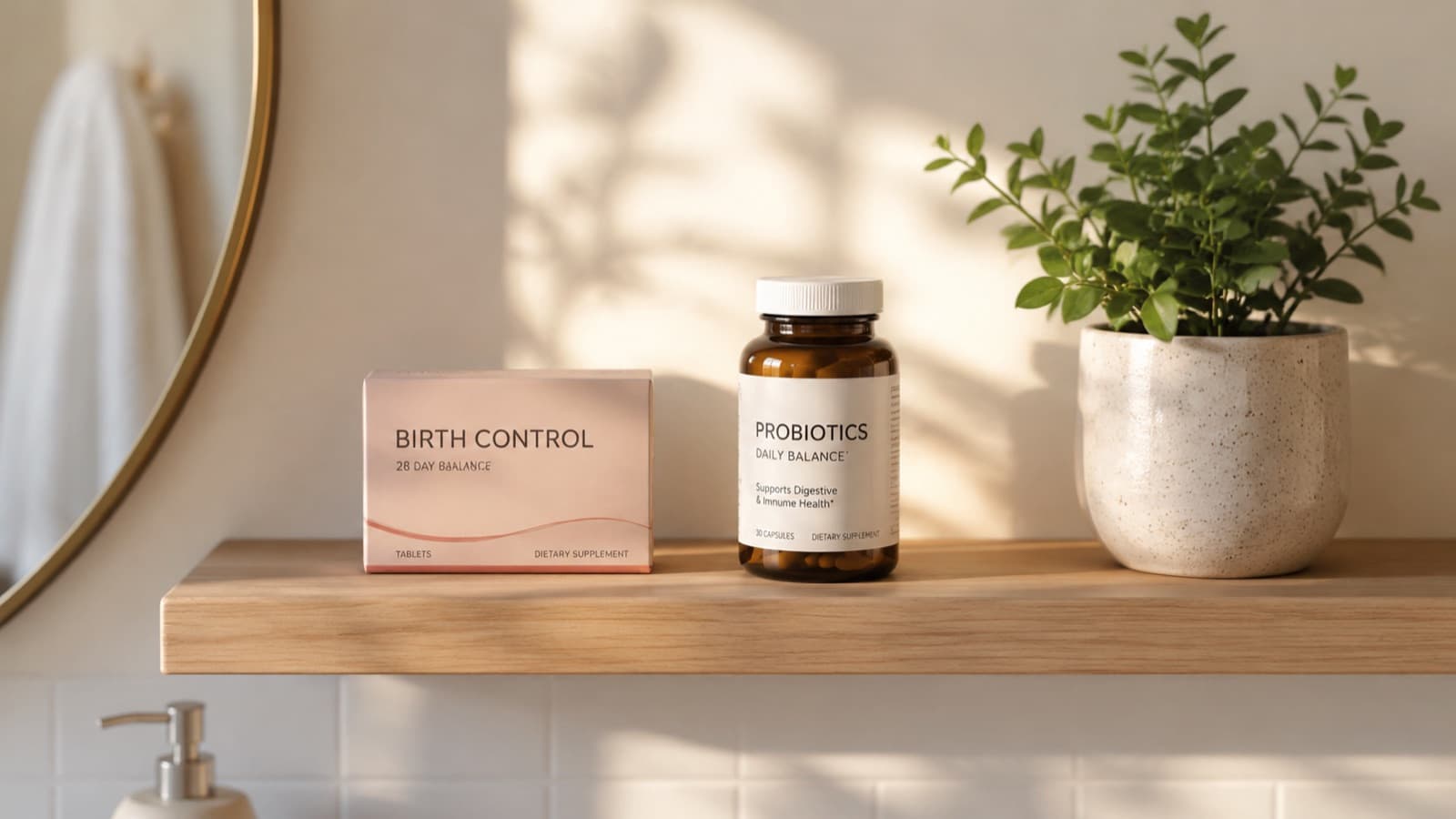
Hormonal birth control changes your gut bacteria, depletes B vitamins, magnesium, and zinc, and disrupts the estrobolome (the part of your microbiome that manages estrogen metabolism). These effects are subtle. They accumulate gradually. You don't wake up one day with obvious symptoms. You just slowly get used to feeling a little off.
I'm not telling anyone to stop their birth control. That's a deeply personal decision. But I am saying that if you're on hormonal birth control, you should be proactively supporting your gut. Take a B-complex. Supplement magnesium. Eat prebiotic and probiotic foods regularly. Don't wait until you stop the pill to start caring about your microbiome, because by then you're playing catch-up.
If twenty-two-year-old me had known this, she would have added a magnesium supplement and a probiotic to her routine years before she actually did. Small investment, potentially huge difference.
4. Your stress is destroying your gut (and you can't outrun it with supplements)
In my mid-twenties, I was working fifty-hour weeks at a job I hated. I was sleeping six hours a night. I was running on adrenaline and calling it ambition.
My gut was a wreck.
Stress doesn't just make your stomach feel bad in some vague, psychosomatic way. It physically changes your gut. Chronic stress elevates cortisol, which reduces blood flow to the digestive tract, weakens the gut lining, shifts your microbiome composition, and suppresses the production of digestive enzymes.
There's a reason you lose your appetite or get nauseous when you're anxious. Your nervous system is literally diverting resources away from digestion. In acute stress, this is fine. Your body handles it and bounces back. But chronic stress? That's a sustained assault on your digestive system.
A 2019 study in Frontiers in Psychiatry described the gut-brain axis as a bidirectional communication system. Stress affects your gut, and a damaged gut sends distress signals back to your brain, increasing anxiety and lowering mood. It's a vicious cycle, and I was deep in it without realizing it.
What broke the cycle for me was not a supplement. It wasn't a special diet. It was changing my relationship with stress itself.
- I started sleeping seven to eight hours. Non-negotiable. This single change improved my digestion more than any probiotic ever did.
- I learned to breathe. Specifically, I started doing five minutes of slow, diaphragmatic breathing before meals. It sounds absurd. It works. Activating your parasympathetic nervous system (the "rest and digest" state) before eating literally improves digestion.
- I quit the job. Not immediately, but eventually. And my gut symptoms improved within weeks.
I know not everyone can quit their job. But everyone can prioritize sleep and spend five minutes breathing before dinner. Start there.
5. Fiber is the most underrated thing you can eat (and you're probably not getting enough)
In my twenties, I thought about protein. I thought about fat. I thought about carbs. I never once thought about fiber.
The average American woman gets about 15 grams of fiber per day. The recommendation is 25 to 30 grams. Most gut health researchers argue the optimal amount is closer to 35 to 40 grams.
Fiber feeds your gut bacteria. Specifically, it feeds the beneficial bacteria that produce short-chain fatty acids like butyrate, which strengthen your gut lining, reduce inflammation, and support immune function. Without adequate fiber, those bacteria starve, and less helpful species fill the void.
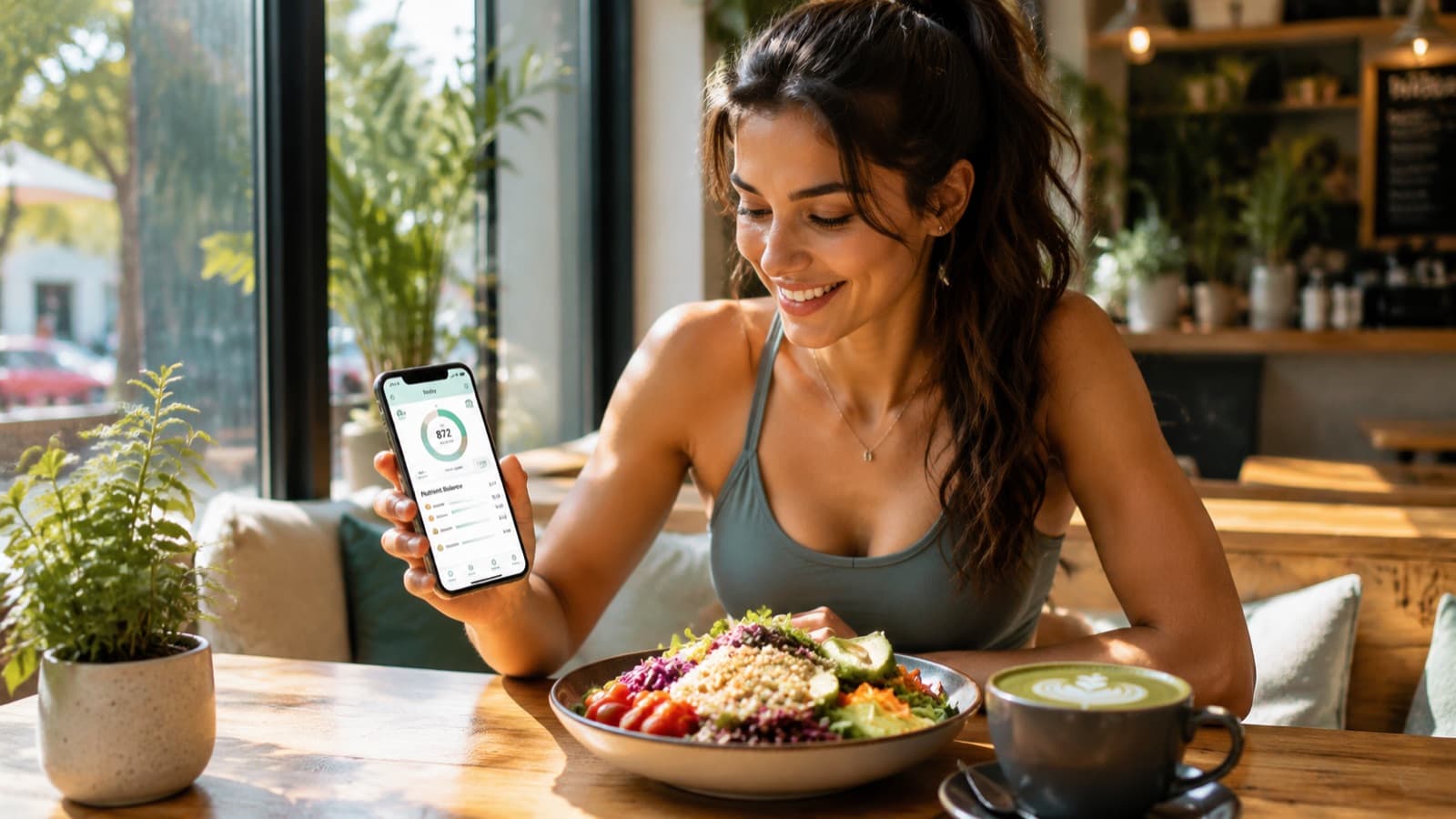
When I finally started tracking my fiber intake, I was shocked. I was getting maybe 12 grams on a good day. No wonder my gut was struggling.
Here's what a fiber-rich day looks like for me now:
- Breakfast: Overnight oats with chia seeds, berries, and ground flaxseed (about 12 grams of fiber)
- Lunch: A big salad with chickpeas, roasted vegetables, and avocado (about 15 grams)
- Snack: An apple with almond butter (about 5 grams)
- Dinner: Whatever I want, but I try to include a serving of beans or lentils (about 8 grams)
That gets me to 40 grams without trying too hard. The key was building the habit gradually. Going from 12 grams to 40 overnight would have made my bloating ten times worse. I increased by about 5 grams per week over the course of a month.
If you're looking for an easy way to boost fiber, a supplement like Organic India Psyllium Husk or a daily ground flaxseed added to smoothies or oatmeal can fill the gap while you work on getting more from whole foods.
The gut health tips for women that nobody gives you
Beyond the big five, here are a few smaller things I picked up along the way.
Eat more plants, and eat them diversely. Research from the American Gut Project found that people who ate 30 or more different plant species per week had significantly more diverse microbiomes than those who ate 10 or fewer. Diversity in your plate equals diversity in your gut.
Chew your food. Actually chew it. Digestion starts in your mouth. Enzymes in your saliva begin breaking down carbohydrates before food even reaches your stomach. When you inhale your lunch in five minutes (guilty), you're skipping a critical step and forcing your gut to work harder downstream.
Don't ignore your bowel habits. I know talking about poop isn't glamorous, but regularity matters. If you're going fewer than three times a week, or if you consistently see undigested food in your stool, that's worth investigating.
Build your gut health vocabulary. Learn what the microbiome is. Understand what probiotics and prebiotics do. Know the difference between soluble and insoluble fiber. You don't need a degree in microbiology. You just need enough knowledge to ask better questions and make more informed choices.
What I'd actually say to my younger self
Honestly? I'd keep it simple.
Your gut is not an afterthought. It's the foundation. It affects your energy, your mood, your skin, your immune system, your hormones. Everything you're trying to optimize on the outside starts on the inside.
Stop normalizing feeling terrible after every meal. Stop taking antibiotics without rebuilding afterward. Stop ignoring the stress that's eating you alive. Start eating fiber. Start feeding your bacteria. Start paying attention.
You don't need to overhaul everything at once. Pick one thing from this list and do it for a month. Then pick another. That's how I built my way back to a gut that actually works for me instead of against me.
It took me until my thirties to figure this out. Maybe you can start sooner.
For more on the hormonal side of gut health, check out why your period messes with your digestion and the PCOS-gut connection that nobody talks about.